Table of Contents
ToggleKahnawake Extermination and Pest Control Services

Properties in Kahnawake are no stranger to the occasional pest infestation. Businesses and Homeowners alike are subject to bugs, rats, mice, and all sorts of different pests. These events leave buildings damaged and may even cause health issues within the community.
That’s why hiring a professional team of Kahnawake Exterminators is key for the proper handling of these infestations. Local Extermination is here to deliver quality workmanship and pest control services that rival others on the market. We make sure that your property is well protected from any pests that become a nuisance to your home.
Kahnawake Extermination Company is the right call when your home is being infested!
We understand that dealing with pest infestations by yourself is a tall order, one that can even cause more harm than good. Clients can contact us so that we can talk with you regarding the best solutions you can avail of.
We can also settle appointment and inspection dates so that our professional team of exterminators can settle this problem as quickly as possible. Contact us to avail of the best Kahnawake Extermination services within the area.
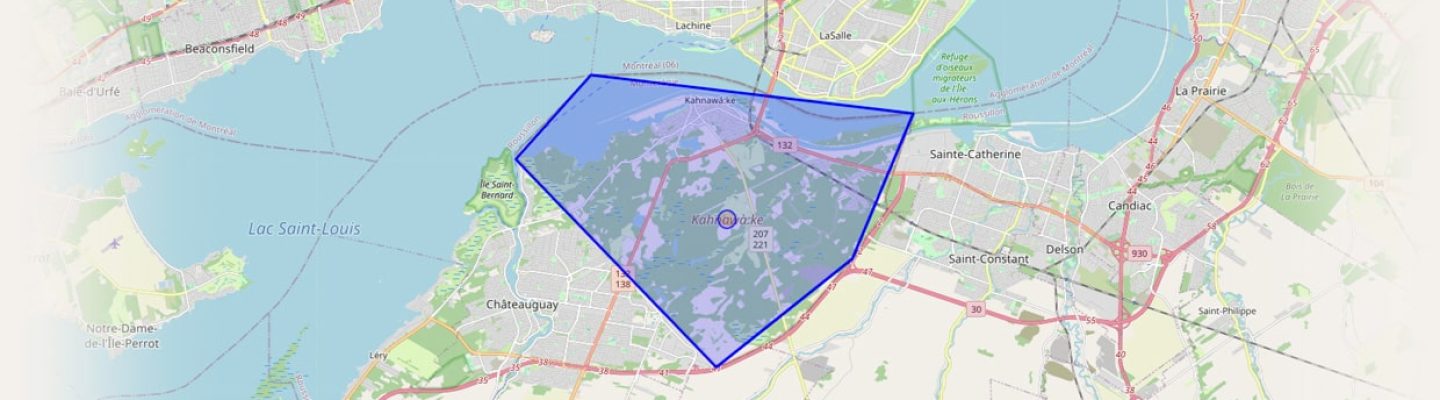
Offering free estimates and thorough inspections, our pest control experts help you locate and compare the best options for your property. We proudly serve Kanwhawake and surrounding areas, ensuring professionalism and effectiveness in every service. Contact us for more useful information and enjoy a pest-free environment today.
Why use our Kahnawake Extermination services?
Local Extermination was made to serve the Kahnawake area with the best pest control services around. Alongside our team of licensed and fully trained exterminators, we strive to aid you in controlling pest populations within and around your properties.
With each job, we make sure that the infestation is cleared out thoroughly and efficiently. Of course, this also means that our Kahnawake Extermination Company will take care of cracks and environmental clutters that can become hotspots for pests. Along with that, our staff is prepared with the knowledge and tools necessary for the job.
Of course, we understand that there are a lot of Kahnawake Pest Control options available within the area. Here are some of the reasons why our company provides the best pest control services around:
- Discrete and Reliable Services
- Legal and Eco-friendly Solutions
- Reasonable Pricing for Pest Control
- Our team of experienced and Licensed Exterminators
- Long-term Money Guarantee
- Rave Reviews on our Google Page
Is it safe to try to eliminate pest problems by yourself ( DYI) ?
Performing pest control without the guidance or aid of a professional can be a dangerous affair. In simple terms, it is NOT a good idea to do it all by yourself.
Here are some reasons why you should hire a Kahnawake Extermination service instead
Safety Concerns and Measures. If you’re doing your own pest control, there is a good chance that you are skipping a lot of safety steps. Along with that, you may not be using the proper solutions to keep yourself safe. Our team of exterminators is ready with the right tools and knowledge to complete a job without any harm done.
Pest Control Jobs done quicker. With every single job, time is a common factor that exterminators have to worry about. A DIY approach will see landlords and homeowners spend more money for worse results. This is especially true since there will be hard-to-reach spots that need specialized tools to be properly treated.
Hiring a Kahnawake Extermination Company is the better choice as they can rid your home of pests in a shorter time than anyone else.
Efficiency. Another common mistake seen in DIY Pest Control is the number of chemicals, pesticides, and insecticides used. Local Extermination ensures all clients that all our solutions are made and used with efficiency and safety in mind, as we use only the right amounts for the job.
Saves money. Lastly, hiring the best Kahnawake Extermination service ensures you’re spending less money when compared to doing it all yourself. Their experience also ensures that the extermination process has the highest chance of success!
Another expense that’s saved by hiring a professional exterminator is the costs you may have to pay if accidents happen. Exterminators can apply pesticides and insecticides without harming human beings, avoiding any unnecessary hospital visits.
What is the price of an Extermination Service in Kahnawake Park?
If you’re looking for an extermination company that offers competitive pricing all around, then Local Extermination is your best choice! We offer clients a reasonable and transparent pricing scheme that takes into account your house’s size, the pests inhabiting it, and the services required.
There are online calculators available for those who want an idea of the budget needed for their pest control needs. Here’s an example of a reliable one that you can use:
- Mice Extermination
- Bed Bugs Extermination
- Mosquito Extermination
- Ant Extermination
- Carpet Beetle Extermination
- Wasp Extermination
- Cricket Extermination
- Rat Extermination
- Cockroach Extermination
- Spider Extermination
- Fly Extermination
- Silverfish Extermination
- Centipede Extermination
- Moth Extermination
At Local Extermination, we deliver the best pest control services we can for all of our clients. Handling pests by yourself can be a lengthy and stressful affair. That’s why we strive to make sure that once we step into your home and get to work, you’ll never have to worry about those pests anymore!
Looking to hire our Kahnawake Pest Control Company? Here’s a rundown of some of the services we provide:
Inspection. Your property will be inspected for telltale signs of pest infestation like burrows, nests, and droppings. This helps to identify the types of pests to be removed and their common hiding spots.
Removal. Any and all pests are to be removed with our wide variety of solutions and chemicals. Each approach is different and depends on your home’s size and other factors. Common spots for pest removal include kitchens, cupboards, and closets.
Prevention. After all the pest removal processes are done, we will do what we can to close any nooks and crannies that pests may use to enter your home. Wall cracks are to be sealed and any clutter around your property will be cleaned to ensure they will not have any space to breed in.
How safe are our extermination products and chemicals?
All Kahnawake Extermination services are aware of the potential harm that pesticides and insecticides can cause. This is why our company, Local Extermination, uses chemicals and products that come with a homologation number. This number certifies that all our chemicals meet industry standards and are legal to use.
Products that do not come with a homologation number are potentially dangerous and are made without proper supervision. Using them may cause accidental damage to your building and may even cause long-lasting environmental damage.
It’s one of the reasons why our Kahnawake Extermination Company also makes use of non-chemical solutions to take care of pest problems. Use the Click-to-call widget to call us, and you’ll receive personalized solutions to help deal with your pest problem. Most of all, these tend to not involve chemicals that you may be unfamiliar with.
Unsure of our services? We offer 3, 8, to 12-month guarantees!
With first-time clients, we understand that it can be difficult to entrust your home to a Kahnawake Extermination service. Our company provides all customers with a service guarantee that ensures you get the best workmanship around! For indoor treatments, we offer guarantees for up to 3, 8, or even 12 months.
If our exterminators don’t meet your expectations, don’t hesitate to drop us an email for our signature above-competition warranty and service guarantee. All Kahnawake locals can try out our services without having to risk their money. Contact us and see how our effective pest control measures help you regain some peace and quiet in your home!
Local Extermination: Effective Pest Control For Everyone!
Local Extermination is dedicated to providing all our clients within the Kahnawake area with the proper pest control measure they need! Even first-time homeowners can entrust us because of our service guarantees and shining track record. We rid your home of all the pests that are bugging you while also ensuring they won’t come back!
As a local Kahnawake Extermination company, we can accommodate our clients whenever they need our services. We even work during the holidays, so don’t hesitate to call us!
At Local Extermination, we’re highly experienced in termite control, carpenter ant control, cockroach control, mouse control, wasp control , bedbug control , rat control , bedbug control, and spider control. Our professionally executed fumigation and parasite extermination services ensure your peace of mind, providing discreet, transparent solutions tailored to your needs.
We only deliver quality pest control methods that no other Kahnawake Pest Control Company can provide. Get a free quote from us and see how our services can help you to clean up your home of any pests at all!